Complaints Procedure for Commercial Waste Wallington
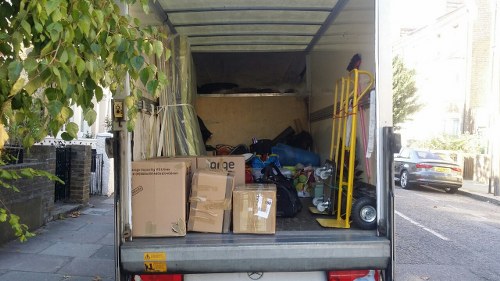 This Complaints Procedure explains how businesses receiving commercial waste services can raise a concern, what to expect from a rubbish collection operator, and how issues are handled. It applies to all commercial waste and business refuse contracts; whether you use routine collection, bespoke removal, or other commercial refuse services in Wallington and surrounding service areas. Our approach is to provide a clear, fair, and timely process that protects both customers and service providers.
We encourage anyone experiencing problems with their commercial waste collection to make a formal complaint so it can be investigated. Typical issues covered include missed collections, contaminated loads, damage to property during collection, inconsistent bin emptying, or concerns about invoicing related to business rubbish Wallington operations. Record as much information as possible at the time of the incident, such as dates, times, vehicle details if available, and a concise description of the problem.
Scope and applicability
This procedure covers complaints about commercial waste and refuse services, including scheduled collections, ad hoc clearances, recycling services for business premises, and specialist waste disposal arrangements. It does not cover enquiries, general service requests, or non-service-related disputes. For all complaints, the operator will treat the matter confidentially and will not disclose sensitive commercial information except as necessary for investigation and resolution.Making a complaint
To make a complaint, provide a clear account of the issue and include any supporting evidence such as photographs, invoices, or job references. Complaints should identify the service location and the approximate time and date of the event. Use of precise terms like missed collection or bin damage will help speed up the review. While contacting customer-facing staff informally is fine, submit a formal complaint if informal steps do not resolve the issue. Acknowledgement and timescales. Complaints will be acknowledged promptly. Typical timescales are: an acknowledgement within three working days, an initial update within ten working days, and a full written response within twenty working days where possible. Complex cases that involve third parties or contractor investigations may need longer; in those circumstances the complainant will be kept informed of progress and expected timescales.
Investigations will gather relevant records including collection logs, driver notes, CCTV where permissible, and staff statements. The investigation aims to establish facts, identify root causes, and determine whether service standards or contractual obligations were breached. Remedial actions can include re-collection, sanitation of affected areas, credits against charges, staff retraining, or procedural changes to prevent recurrence.
Possible outcomes of a complaint investigation include: rejection if insufficient evidence exists; partial or full acceptance leading to corrective measures; or referral where another authority or regulator has jurisdiction. Outcomes will be documented and shared in writing with a summary of findings and any proposed remedies. Where applicable, the business may be offered an explanation, an apology, or a proportionate remedy for verified service failures.
 Escalation and independent review options are available if a complainant is not satisfied with the outcome. Internally, cases can be escalated to a senior manager or complaints coordinator. If contractual terms or regulatory matters require external review, the complainant will be advised of the appropriate independent body or industry ombudsman, where such escalation routes exist.
Recording, confidentiality and learning
All complaints are logged to allow trend analysis and continuous improvement of commercial waste operations. Records include the nature of the complaint, investigation findings, actions taken, and dates. Data is handled in line with privacy obligations and retained only for as long as necessary to manage claims, improve services, and meet legal or regulatory requirements.Service improvement and prevention
Complaints are seen as opportunities to improve the quality of commercial refuse services. Regular reviews of complaint data inform operational changes such as route optimisation for commercial waste collection in Wallington areas, amendments to staff training, or updates to customer-facing communications. Businesses are encouraged to monitor recurring issues and report them so systemic problems can be addressed.When a complaint results in corrective action, follow-up measures may include additional monitoring, spot checks of collections, or a review of contractual service level agreements. This proactive approach helps reduce repeat incidents and improves reliability for all commercial waste customers.
Final note: This complaints procedure provides a transparent, consistent framework for raising concerns about business rubbish and commercial waste services. It sets out clear expectations for acknowledgement, investigation, resolution, and escalation while ensuring confidentiality and continuous learning. Operators and customers share a responsibility to cooperate in investigations so that waste management services remain dependable and compliant with applicable standards.
