Commercial Waste Wallington: Recycling and Sustainability
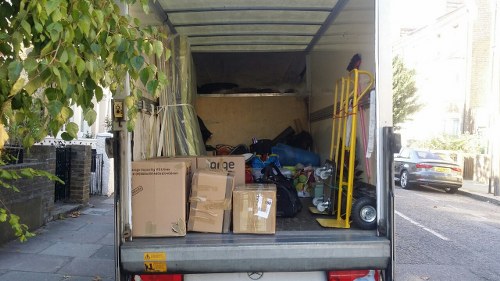 Commercial Waste Wallington is committed to supporting an eco-friendly waste disposal area and a practical, sustainable rubbish area for businesses across Wallington and the surrounding boroughs. Our approach balances local council best practice with pragmatic commercial services: we work with separation systems promoted by the Sutton borough and neighbouring boroughs to keep paper, cardboard, glass, metals and food waste distinct for higher-value recycling. This page outlines our recycling percentage target, connections to local transfer stations, charity partnerships, and our use of low-carbon vans to reduce emissions.
We recognise that businesses need clear, measurable goals. Our headline aim is to reach a 70% commercial recycling percentage target by 2030 for the waste streams we manage in Wallington—moving beyond simple diversion metrics to focus on true material recovery. That goal is built on ongoing audits, targeted waste prevention measures, and investment in on-site segregation guidance for shops, offices and light industrial premises. Maintaining progress toward the 70% target also involves reducing contamination in recycling bins and increasing the capture of organic and textile streams.
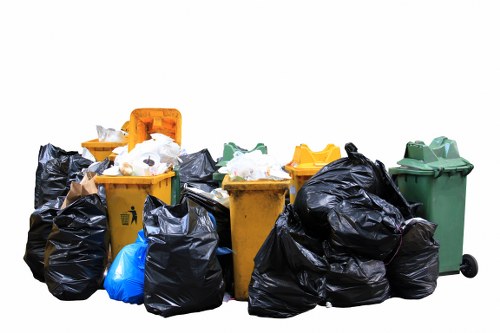 Collaboration with the borough's waste separation initiatives is central: Sutton and nearby boroughs encourage multi-stream recycling collections that separate glass, cans and plastics from mixed paper and card, while also expanding separate food waste collections. For commercial premises, we adapt to existing municipal rounds where possible and provide tailored solutions where council collections don't meet business needs—always aligning commercial waste handling with the borough approach to waste separation to ensure materials enter the correct Material Recovery Facilities (MRFs) and organic treatment plants.
We prioritise a network of local transfer stations and processing facilities to keep the carbon footprint of transport low and to maintain high recovery rates. Where feasible we use transfer stations in the borough and in neighbouring boroughs such as Croydon and Merton to move segregated loads quickly into the appropriate streams. Through route planning and consolidation at nearby transfer hubs, we cut unnecessary miles and reduce the number of vehicle movements through Wallington's streets. Keeping transfer distances short is a practical way to lower emissions while maximising recycling.
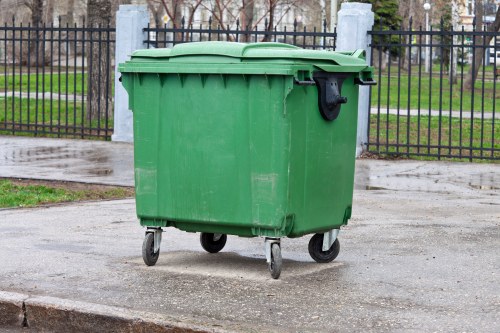
Charity Partnerships and Reuse
Giving reusable items a second life is a major pillar of our sustainable rubbish area strategy. We partner with a range of local charities and reuse organisations to divert furniture, appliances, surplus retail stock and usable office kit from disposal. Our partnerships prioritise:- Local furniture reuse charities that collect and refurbish office chairs, desks and fittings.
- Textile reuse and repair groups that accept clothing and soft furnishings suitable for resale or circular re-use.
- Food redistribution networks and community groups that take sealed, surplus food from catering and hospitality businesses.
These collaborations help businesses meet corporate social responsibility targets and keep high-quality items in use rather than sending them to energy recovery or landfill. We also support social enterprises that provide job training through reuse initiatives, turning otherwise-discarded goods into community value.
To make the supply chain genuinely low-carbon, our fleet includes modern low-carbon vans and logistics solutions. We operate a mix of fully electric and hybrid commercial vans on scheduled rounds across Wallington, harnessing regenerative braking and telematics to improve fuel efficiency. Route optimisation software reduces mileage; consolidated collections for nearby businesses mean fewer trips and a smaller carbon footprint per tonne of waste handled. Low-emission vehicles are a visible part of our commitment to cleaner streets and lower greenhouse gas emissions in the borough.
Practical Recycling Activities in Wallington
Typical recycling activities we support for local businesses include:- Paper and cardboard baling for retail and office waste, keeping the fibre stream dense and market-ready.
- Glass separation to maintain quality and avoid contamination with ceramics or lightbulbs.
- Food waste collections from cafes and restaurants, taken to anaerobic digestion or composting facilities.
- Collection and secure data destruction for confidential paper from professional services.
- Electrical and WEEE services for safe collection of computers, chargers and small appliances.
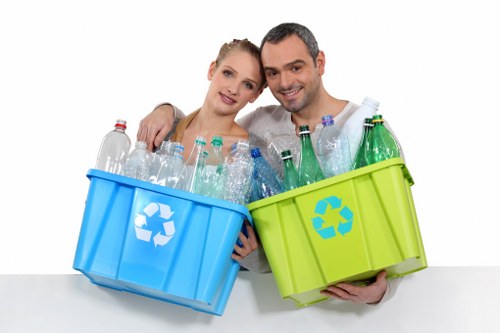 Beyond collections, we run targeted campaigns for high-impact reduction such as plastic film take-back schemes for shops and mattress/furniture reuse drives for hospitality refurbishments. These projects reflect a rounded sustainability program where prevention, reuse and recycling are prioritised ahead of disposal.
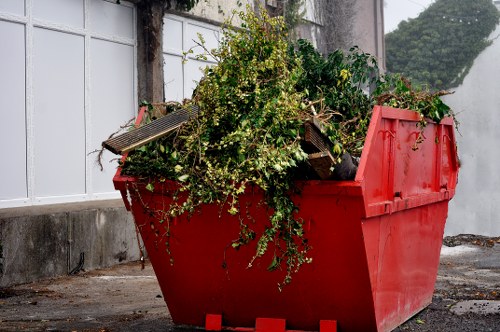 In summary, Commercial Waste Wallington provides a comprehensive, pragmatic route to an eco-friendly waste disposal area and a resilient sustainable rubbish area for businesses. By combining a 70% recycling percentage target, partnerships with local charities, efficient use of transfer stations, and a modern low-carbon fleet, we help Wallington businesses meet regulatory expectations and community aspirations. Our services are designed to complement borough separation schemes, enrich local reuse streams, and reduce both costs and carbon—delivering practical sustainability across the commercial landscape.
